Answer Engine Optimization, or AEO, is changing how customers find your business online. Instead of just ranking in search results, you want AI engines like Siri, Alexa, and Google Assistant to cite your business as the answer. For small business owners, this shift means you need to prepare your website and content in a specific way. Before you jump into keywords and structured data, there are a few things you must verify first. This checklist walks through the practical checks any business owner can understand and act on, without needing a developer degree.
Do You Have Access to Add Schema Markup?
Schema markup, also known as structured data, is the language AI engines use to understand your business details. The core components of local AEO include Schema markup for LocalBusiness, FAQ, and Service. If you cannot add code to the head section of your website or install a plugin that handles schema, you are stuck before you start. On WordPress, a plugin like RankMath makes adding schema simple. On other platforms, you may need to ask your developer for access. Some site builders lock down the ability to add custom code, so check this first. If you cannot add schema, you cannot fully participate in AEO.
Is Your Site Built on a Platform That Works With AEO?
Not all website platforms are created equal when it comes to answer engine optimization. Some site builders actively work against AEO by blocking access to the head section, preventing you from adding structured data, or limiting your ability to create extractable content blocks. Before you invest time in AEO, confirm that your platform allows you to add custom schema, create clean FAQ pages, and use conversational content architecture. If your platform is restrictive, you may need to consider switching or hiring a developer who can work around the limitations. Ask your developer: “Can I add custom schema markup to every page?” If the answer is no, you have a problem.
Do You Have One Clear Source-of-Truth Page?
AI engines prefer to pull answers from a single, authoritative source. For a small business, this means you need one clear source-of-truth page. That page should contain your business name, address, phone number, hours, services, and a concise description. When you have multiple pages saying slightly different things, AI gets confused and may not cite you. Review your website and consolidate key information onto one dedicated page. This is often your home page or a location page. Make sure it is consistent across your Google Business Profile and any other directories. AEO in 2026 is about being cited in AI answers, not just ranking, and a clear source-of-truth page is essential for that citation.
Is Your Content Written in a Conversational Way?
People ask AI engines questions in natural language. If your content sounds stiff or overly formal, the AI may not pull it as a direct answer. Conversational content architecture is a core component of local AEO. Write your FAQ answers, service descriptions, and about page in a tone that matches how your customers actually speak. Use full questions as headings, then answer them directly in one or two sentences. For example, if a customer asks “How much does a plumber cost near me?” your content should answer that exact question clearly and simply. Avoid jargon and keep paragraphs short. This makes it easier for AI to extract and present your answer.

Are Your Trust Signals Visible and Accurate?
Trust signals tell AI engines that your business is legitimate and worth recommending. This includes your Google Business Profile, customer reviews, contact information, and a professional design. For local AEO, you need to ensure your NAP (name, address, phone) is consistent across the web. Also, make sure your site is mobile-ready and loads quickly. The AEO checklist covers content quality, mobile readiness, local SEO, and ongoing performance monitoring. Check your site on a mobile device right now. If it looks broken or loads slowly, fix that before worrying about anything else. AI engines are less likely to cite a site that provides a poor user experience.
Have You Set Up a Dedicated FAQ Page?
A dedicated FAQ page with Schema markup (FAQ) is one of the most effective ways to get your business cited in AI answers. The FAQ page should list common questions your customers ask, followed by concise answers. Each question-answer pair should be clearly structured, ideally using the FAQ schema that RankMath or similar plugins can generate. This page acts as a direct feed for AI engines. Make sure the answers are unique and not just copied from other sites. A good FAQ page can be the difference between being ignored and being the featured answer.
Can You Monitor Performance Over Time?
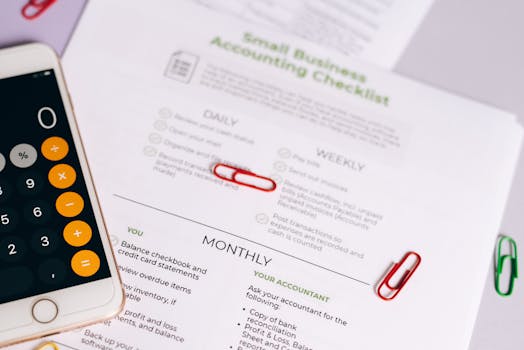
AEO is not a set-it-and-forget-it strategy. You need to monitor how often your business appears in AI answers and adjust your content accordingly. This includes tracking zero-click searches, voice search queries, and changes in your Google Business Profile insights. While you do not need to be a data analyst, you should have a way to see if your efforts are working. Use tools like Google Search Console to monitor clicks and impressions. Also, check your analytics for increases in direct traffic or calls. The ongoing performance monitoring part of the AEO checklist ensures you are not wasting time on tactics that are not working.
Frequently Asked Questions
What is the difference between SEO and AEO?
SEO focuses on ranking your website in traditional search results. AEO focuses on being cited in AI-generated answers on engines like Siri, Alexa, and Google Assistant. AEO requires structured data, conversational content, and a clear source-of-truth page to make it easy for AI to extract and share your information.
Do I need a developer to implement AEO?
Not necessarily. If your website runs on WordPress and you use a plugin like RankMath, you can add schema and FAQ pages yourself. However, if your platform restricts access to the head section or requires custom code, you may need a developer. The key is to verify what access you have before starting.
How long does it take to see results from AEO?
Results vary, but most small businesses see improvements in voice search and AI citations within a few weeks after implementing structured data and conversational content. Ongoing monitoring and refinement are necessary to maintain and improve visibility as AI algorithms evolve.
What schema types are most important for a small business?
For most local businesses, LocalBusiness, FAQ, and Service schema are the most important. LocalBusiness schema helps AI understand your location and contact info. FAQ schema allows your questions and answers to appear as direct citations. Service schema details what you offer. All three should be added to the relevant pages.
This checklist gives you a practical starting point for answer engine optimization. Verify each item before you invest serious time or money. If you find gaps, address them one at a time. The businesses that prepare now will be the ones AI recommends tomorrow.